by Lauren Goodman | Jan 11, 2025 | Depression Therapy for Teens
The Different Types of Abusive Dating Relationships
Unfortunately, sometimes teens get stuck in abusive dating relationships. There are three main types of abusive dating relationships: emotional, physical, and sexual. While this is definitely an uncomfortable topic, it is one I see in my office with my teenage clients at least once a month. That’s very common. Because of that, it’s important to know how teens are abused and what to do about it.
Teens in Emotionally Abusive Relationships
Emotional abuse is the most common form of abuse discussed by my clients. This happens when a client has a boyfriend or girlfriend who says and does things to manipulate a certain outcome. There are a few ways this can happen.
1. An Ex Threatens Suicide
Sometimes an ex will threaten suicide after a breakup. This heaps guilt on your teen, who consequentially starts talking to the ex again. This forces the teen to stay in a pressured, awful relationship.
2. Constant Criticism
Other times the abuser will be mean to and critical of your teen. After being consistently berated by their boyfriend or girlfriend, your teen will no longer have the self-esteem to end the relationship.
3. Drinking and Drugs
The abuser might get into drinking or drugs. This is confusing for your teen who might start lying for the abuser or even drinking and using themselves just to be with their boyfriend or girlfriend.
4. Financial Abuse
Lastly, sometimes the relationship gets out of balance, and your teen feels like they must impress their significant other to keep them around. Consequently, they start spending money on expensive hobbies or trips for them and their boyfriend or girlfriend.
Teens in Physically Abusive Dating Relationships
Sadly, physical abuse occurs in teen dating relationships as well. It often begins with your teenager becoming isolated from his or her friends and spending all their time with their boyfriend or girlfriend instead. Your teen might seem upset and withdrawn. They’ve lost the energy and spark they used to have. You start to wonder what is going on.
How Physically Abusive Relationships Progress
Your teen might have a great relationship at first. Your teen and their boyfriend or girlfriend might have discussed going to the same college or even getting married eventually. The relationship seems really serious considering their age.
When the Abuse Starts
Then the arguments start. One person has trouble controlling their emotions and reverts to yelling and cursing. Eventually the fight results in one person hitting the other. It probably isn’t anything too violent the first time, just a small push or slap. The abuser profusely apologizes and is on their best behavior for a few weeks. Then they become edgy, and eventually another fight starts resulting in more physical abuse. The cycle goes on and on, with the abuse getting worse each time.
Teens in Sexually Abusive Dating Relationships
Sexual abuse is any form of sexual activity that is unwanted and/or exploits the victim. This happens in teenage dating relationships from time to time. Sexual abuse usually happens when a couple is already sexually active. One partner says they don’t want to have sex anymore or secretly doesn’t want to, but the other coerces them into it. It’s not rape because the reluctant teen gave their consent, but unwanted sexual activity is never okay.
Sexual Abuse Through Phones
Another way sexual abuse occurs is through your teenager’s phone. Sadly, it’s normal for teenagers to ask each other to send nude pictures through text or an app. It is normally the boys asking the girls, but it goes both directions. Unwanted pressure to send nude selfies is awful. Check in with your teen to see if they’ve been asked and find out what they did about it. If the recipient of the image shows a friend or two, or texts it to someone else, that’s a major violation of privacy. If the teens are minors, it’s actually distribution of child pornography.
What to Do If Your Teen’s in an Abusive Dating Relationship
Dating is a normal part of the teenage experience. It helps them mature, and they can have a lot of fun with it. However, there’s also a lot of things to watch for. There is a lot to warn your child about. Help them if they are being abused in any way. Help them feel safe to talk about it and empower them to do something about it. Please call if you need additional support in helping your teenager through this heartbreaking situation.
Helping teens grow and families improve connection,
Lauren Goodman, MS, MFT

by Lauren Goodman | Jan 5, 2025 | Depression Therapy for Teens
What to Do If Your Teen is Having Suicidal Thoughts
As a parent, if your teen is having suicidal thoughts you are going through one of the scariest things imaginable. Some people overlook or discount it when teens express that they are having thoughts like these because they don’t want to believe their teens are suicidal. Some teens say things like that for attention, but many of them are serious. Because of that, it’s too dangerous to assume teens are seeking attention when they threaten suicide. It is best to take these threats very seriously and then take the correct steps to deal with the crisis.
Questions to Ask Your Teen
If your teen says they’re having suicidal thoughts or are feeling suicidal, you need to immediately ask them a few questions. Here are the things you need to ask them:
- How long have you felt like this?
- Can you identify why you feel this way? Has something bad happened lately?
- Do you have a plan for how you’d take your life?
- Do you intend to go through with it?
- Have you ever tried it before?
What to Do If Your Teen Intends to Go Through With it
If the answer to question #4 is yes, you need to take immediate action. Many parents struggle with this because they have to take decisive action when they want to panic. You need to stop whatever you are doing and drive your teen straight to the emergency room. This is considered an emergent issue.
Why Doing this May Feel Weird to You
You will feel strange about doing so because you don’t see your teen bleeding, vomiting, etc., and it seems like people should appear physically ill to go to the emergency room. However, the staff at the ER will not think it is odd that you’ve brought your teen. In fact, they will see it as appropriate. Don’t hem and haw if your child intends to harm themself. Sometimes even spending a few days in a hospital can really change your teen’s outlook.
How to Act if They Don’t Intend to Go Through with Suicide
If the answers to 2, 3 and/or 5 are yes, but 4 is no, you need to call for a counseling appointment right away. For as long as your teen is having suicidal thoughts, they should receive help from a therapist. Also, ask your teen daily whether they’ve changed their mind and intend to go through with suicide so you know whether or not to go to the ER. Help your teenager create a plan in case their mood deteriorates further. Sit down with your teen and work with them to write out a list of names and phone numbers to call when they are feeling particularly awful. Tell them if it becomes really serious, they need to call 9-1-1.
Removing Dangerous Objects
On your part, make sure your teenager does not have access to lethal items. Remember when your child was two and you were very careful to keep poisons locked up and knives out of reach? It’s a lot like that. If you have a gun, keep it locked in the safe and change the code in case your teenager knows the code. Go through the medicine cabinets and remove pills that are dangerous if taken in great quantities. Remove your knives and other sharp objects from the home. I know this is a huge hassle, but it is an important precaution. Think of other potentially dangerous objects and keep them from your teen too. You want to make it very inconvenient for your teen to try harming him or herself because it buys time if they are in trouble.
How to Respond if Your Teen is Having Suicidal Thoughts
Please take it very seriously if your teen threatens suicide. It is not the time to react in anger toward your teen. Your anger is likely stemming from fear. It is time to take charge and quickly take action. You can express anger and fear later.
What to Do if Your Teen Expresses Suicidal Thoughts for Attention
Also, I’d like to address the teen who says they’re having suicidal thoughts for attention. If you react in the ways described above, then they usually learn their lesson. But like I said, you shouldn’t act like that in case they are serious. It’s important to be careful if a teen says they’re having suicidal thoughts. However, if it’s clear you’re angry or scared, they probably feel embarrassed for saying something like that when they didn’t mean it. Also, if they go to that extreme to get attention, then they clearly need some attention. Giving it to them is not a bad thing.
Keeping Your Teen Safe
I know this is an unimaginably tough thing to deal with. It’s something you never want to face. It causes a sick, panicky feeling in a parent. You may have never felt so little control over your child’s well-being. Take a deep breath and then purposely walk through the steps you need to take to help your teen be safe.
Helping teens grow and families improve connection,
Lauren Goodman, MS, MFT

by Lauren Goodman | Dec 28, 2024 | Parenting Techniques
Pros and Cons
If your teen wants to party, you have a problem on your hands. In one sense, it’s good that people invite your teen to parties because it shows they have friends and are socially included. However, every other aspect of this situation is bad.
What Should You Do?
In this blog, when I say “party” I’m referring to a house full of teens with no parents, lots of loud music, alcohol, and possibly drugs. When your teen wants to participate in that, what do you do?
Forbidding Your Teen to Party
If you know ahead of time that your teen intends to go to a party like this, your initial reaction is probably to completely forbid it. However, this will only work if you have a strong bond with your teenager. If you do, they’ll grudgingly listen to you and accept the alternatives you offer. However, if your relationship with your teen is not super strong, this can sometimes make the situation worse.
What to Do if You Forbid It
Don’t show anger at your teen’s desire to go to a party; offer to send them and a friend to the movies or something similar instead. That way they have an excuse they can give their friends about why they aren’t going. You don’t want them to say, “My mom won’t let me go” because then their friends will start to criticize you. You probably don’t care what their friends think of you, and I wouldn’t either. The issue is over time your teen’s thinking will be affected by these criticisms.
When Not to Forbid Your Teen to Party
If you aren’t as close with your adolescent, forbidding them to party will just cause your teen to lie to you. They’ll tell you they’re going to Jeff’s (we’ll use the name Jeff as an example) house and then they’ll go to the party instead. You could call Jeff’s parents to make sure your teen is where they say they’ll be. Some parents resort to checking on their teens in this way. However, that shows a mistrust of your teen and isn’t great for your relationship with them.
What to Do Instead of Forbidding Your Teen to Party
Try telling your teen, “I trust you to go where you say you’ll be. If you find yourself leaving Jeff’s for another situation, please let me know. I trust you are a good enough kid to make the right decisions, especially if you’re confronted with drugs or alcohol.” Let them know that you’ll continue to extend them this trust as long as they don’t break it. Whatever you do, do not convey that you are doing your teen a favor. Express that you genuinely trust your teenager, and you’d be surprised and hurt to find out they have broken your trust.
How to Set Limits on Your Teen’s Partying
For those of you who know for certain that your teen is partying and breaking the law (underage drinking and/or drug use), you must set enforceable limits. Do not set limits you cannot enforce. For example, you can forbid your child to date a certain person, but how can you know who they’re seeing at school? You can’t tell your child they are not allowed to attend a party. Unless you make them stay at home 100% of the time, how can you know what they’re doing outside the house?
Setting Rules You Can Enforce
What you can do is tell them what will happen if they’re caught. For example, if you know they’re drinking and driving, you will call the police, or if you know they’re high, you will stop giving them money for anything. If you know they spent the night at a house where parents weren’t home, you will no longer be able to trust them with a car because they’re showing irresponsibility. If your teen is picked up by the police when a party is broken up, you will be unavailable to pick them up from jail until the next day. You get the idea. Make sure 100% of the responsibility is placed on your teenager for their choices.
How to Explain These Rules to Your Teen
Don’t say these things in anger, but matter-of-factly and with love. Tell your teen these are all natural consequences of their choices. You’ll simply allow the consequences to unfold without rescuing them.
Why This Method Works
Eventually your partying teenager will get into trouble for their actions. If they’re unsafe and they’re calling for a ride home, of course, pick them up! However, in circumstances where they’re in trouble with the law or other parents, do not rescue them. It’s better for them to get consequences from the world than from you. They learn more that way, and you aren’t blamed. It’s a win-win.
You’ve Got This!
I know parenting is very challenging sometimes. It’s hard to know when to step in and when not to. I recommend staying in constant conversation with your teenager but not rescuing them from the consequences resulting from their bad choices. Parenting is hard sometimes, especially when your teen enjoys partying, but you can do it!
Helping teens grow and families improve connection,
Lauren Goodman, MS, MFT
by Lauren Goodman | Dec 21, 2024 | Teen Addiction
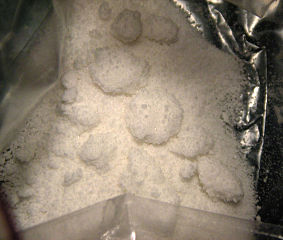
How I First Heard of Molly and It’s Problems
I first heard of Molly in my therapy office about 3.5 years ago. Now I know there are many problems with Molly, but at the time I was confused about what it was. The only thing I found out before I left the office was that it was like Ecstasy, but it wasn’t the same thing and that it’s commonly used at parties. When I got home, I did some research. I discovered some important things that I would like to share with you.
What Does Molly Do?
While researching, I found out Molly is indeed similar to Ecstasy because it is made from the same basic ingredient—MDMA (methylenedioxy-methamphetamine). However, Molly is supposed to be a more purified form of the drug. Both drugs produce about the same result. Both Molly and Ecstasy cause mild hallucinations, distortion in perception, an increase in energy, and escalated touch sensitivity.
What Problems Does Molly Have?
Just like Ecstasy, there are some major risks with using Molly. Molly can cause temporary or even permanent damage because of the way it affects the body. I’ll share a few of the problems Molly can cause below.
Risk #1: Losing Perception
One issue with Molly is that when you take it you lose perception. After someone uses Molly, their brain has trouble reading the cues their body sends them. People have been known to become dangerously dehydrated while high on Molly because they don’t even realize they’re thirsty. This is an especially big problem if they’re dancing at an all-night party while they’re high on the drug. Dancing makes people sweat, which means they’re losing fluids even faster. In this case, forgetting to drink water can be disastrous.
Risk #2: Inability to Regulate Body Temperature
Another big problem with Molly is its effect on the body’s ability to regulate temperature. Some people have spiked extreme fevers, destroying their vital organs. This is what happened to several students from a college in Connecticut a while back.
Risk #3: Molly Causes Unsafe Sexual Behaviors
Researchers have also linked Molly to unsafe sexual behaviors. It makes people enjoy physical touch more than they would otherwise, leading them into sexual encounters they would never have if they were sober. They might become sexual with a stranger, which is extremely hazardous. Researchers have linked Molly with the transmission of sexually transmitted infections and diseases.
Risk #4: It May Be Mixed with Other Chemicals
Another scary thing about Molly is that drug dealers often cut it with other chemicals and substances. It might include heroin, or another random chemical. Because Molly’s an illegal drug, it’s completely unregulated. So, while your teenager might think they are buying high quality MDMA, there is a chance they are poisoning themselves.
Beware of Molly And It’s Many Problems
Unfortunately, your high school aged student has either seen people taking Molly, taken it themselves, or knows someone who has abused it. It is very common right now. Parents, take steps to learn about Molly and keep your teen safe from it. Ask your teenager what they know about the drug and do your own research. Help them understand it’s not something to mess with because the consequences of using it have rendered some adolescents permanently disabled or even dead.
Helping teens grow and families improve connection,
Lauren Goodman, MS, MFT

by Lauren Goodman | Dec 19, 2024 | Teen Addiction
Teens Use Marijuana
Teens smoke pot. While sad, it’s true. By senior year in high school one out of three teens will have used marijuana according to drugabuse.gov. While not every teenager who tries marijuana ends up using it regularly, there is concern for those that do.
Why Some People Think Smoking Marijuana is OK
I understand that I should tread lightly here because some of you reading this smoke weed yourself. You probably see it as something harmless that helps you relax, and you might even use it to help you fall asleep. You believe people who don’t use just don’t understand. To you, it’s just a small side habit that doesn’t cost much money and doesn’t really alter how you think or feel. You still have your job, raise your kids, keep your house clean, and function just fine. So, what’s the big deal?
The Issues with Marijuana
If you smoke on a regular basis, I can almost guarantee your teen knows it. They will view it as permission to use it themselves, and the problems that come with your teen’s use of marijuana are numerous
1. Your Teen is Being Exposed to More Than Marijuana
Your teen is hanging around the other middle school and high school aged children who smoke. Some of these kids use harder drugs than marijuana, and they will bring them around your teen. There will be opportunities for your adolescent to abuse things you’d never be okay with them trying. Using marijuana opens the door to these other drugs for your teen.
2. Marijuana Is Creating a Reputation for Your Teen
Your teen is developing a reputation. Kids talk to their parents, which leads to other parents, teachers, school administrators, and coaches all knowing your teenager uses pot.
3. It’s Addictive
A lot of adults don’t believe this is true. However, the strength of THC (what makes it addictive) in pot has been genetically engineered to be much stronger than it once was. THC concentrations can now be over 40%. THC is incredibly addictive, both physically and psychologically.
4. It Reduces Motivation
When teens smoke marijuana, you will see their grades drop, their rooms messier, and less excitement about life in general. This is especially true for teens who use multiple times per day.
5. Marijuana is Expensive for Teens
teens don’t make much money. Those who smoke marijuana on a regular basis usually end up spending between half and all of their income on it. This means your child is using their earnings or allowance to buy drugs.
6. It’s Unhealthy
Many teens think marijuana is natural, but it isn’t. Just because it’s a plant doesn’t mean it’s healthy. Most marijuana is grown using pesticides, genetic modification, and is unregulated. You wouldn’t buy food like that, would you? In addition to that, when smoked, your teenager is repeatedly inhaling unfiltered smoke or vape residue into their lungs. Yikes!
What is cyclic vomiting? If you smoke pot frequently enough for a long period of time, you can get CHS, a disease caused by long-term use of marijuana. People with CHS vomit frequently and have intense abdominal pain. The only way to get rid of it is to stop using marijuana completely, even in small amounts. CHS causes intense discomfort, so it’s better to avoid it completely (don’t use marijuana).
Dealing with Marijuana
All my clients know people who smoke, and many of them use marijuana themselves. I always encourage them to stop, and those who agree to do so are surprised to find quitting extremely difficult. Many tell me, “I thought I could stop whenever I felt like, but I can’t. I didn’t realize pot was addictive.” For those that don’t use, it’s frustrating that so many of their friends do. Teens need help coping with the reality that many people use marijuana, and this number will only increase when they enter college. However, that doesn’t mean they should use it too.
Helping teens grow and families improve connection,
Lauren Goodman, MS, MFT